The Box Behind the Bar: A Year of Lost Gloves, Leads and Small Danbury Dramas
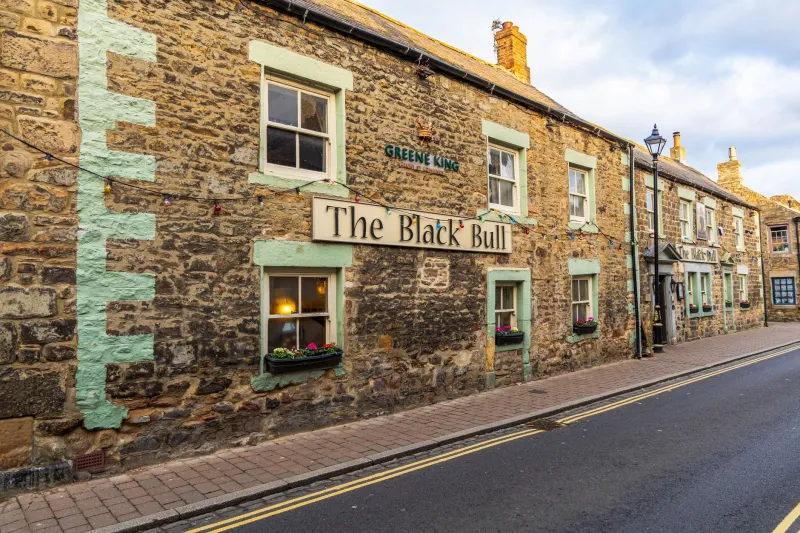
There is a box behind the bar at The Griffin that nobody planned to create. It began as a sensible place for a stray scarf and has slowly become a small, chaotic archive of Danbury life. Umbrellas lean nearby. Dog leads hang from a hook like dried herbs. Reading glasses turn up in the strangest places, usually after someone has spent ten minutes insisting they definitely brought them in.
We are not a lost property office. We are a pub. But the box has become part of the furniture, and every so often a regular will peer into it with the solemnity of a museum curator and ask whether anyone has claimed the red glove.
The box that remembers for us
The lost-and-found box is not organised by date, value or owner. It is organised by instinct. If something looks like it matters, it goes in. If it looks like it might matter later, it also goes in. If it is a single glove, it goes in with the quiet hope that its partner will eventually turn up, sheepish and slightly damp.
What makes the box interesting is not the stuff itself. It is the evidence of movement. A pub in a village like Danbury sees the same faces often enough to notice when something is missing, but it also sees walkers, families, quiz teams and visitors from further afield. The box catches the edges of all those days out.
A month-by-month inventory, give or take a bobble hat
January. Two umbrellas, one thermal flask lid and a child’s drawing of a dog that looks suspiciously like a potato. The drawing was pinned to the noticeboard for a week, then placed in the box for safekeeping. We are not monsters.
February. A single black glove, a paperback thriller with a bookmark made from a bus ticket, and a pair of glasses that were eventually claimed by a man who said he had been looking for them since before Christmas. He had not. He had been looking for them since Tuesday.
March. Muddy season. A walking pole, a neck warmer and a small towel that had clearly been used to dry a dog. The towel was not claimed, but it has proved useful. It now lives in the box as a kind of unofficial pub utility item.
April. A dog lead with a frayed end, a sunglasses case and a purse containing exactly £2.40 and a loyalty card for a garden centre. The purse was reunited with its owner within an hour. The £2.40 was not mentioned. We are discreet.
May. A sun hat, a paperback guide to Essex walks and one sock. The sock remains a mystery. We have chosen not to ask questions.
June. A child’s water bottle, a cricket club fixture card and a pair of reading glasses that were found on top of the fruit machine. The fruit machine has not worked in years, but it remains an excellent shelf.
July. A beach towel, a phone charger and a plastic dinosaur. The dinosaur was claimed by a very serious four-year-old who had been conducting a search party from the beer garden. It was a tense afternoon for everyone involved.
August. Peak umbrella confusion. Three umbrellas came in, two went out, and one stayed behind with a broken spoke. It is still here. It has been adopted.
September. A school jumper, a dog collar and a notebook containing a shopping list that read: milk, bread, dog food, something for tea, maybe a plant. We hope whoever wrote it got the plant.
October. A woolly hat, a pair of gloves and a torch. The torch was claimed by a walker who had come back specifically for it, which felt unusually organised for a lost-and-found story.
November. The season of layers. A scarf, a fleece and a pair of gloves that may or may not belong to the same person. We are treating them as a family.
December. Tinsel, a Christmas jumper and a small plastic reindeer that has somehow become part of the decorations. It was not lost. It was simply absorbed.
Why we never bin a single glove
A single glove is a sad thing. It is also a hopeful thing. Keeping it means believing the other one might still be out there, perhaps in a coat pocket, a car boot or a bag that has not been emptied since last winter. Throwing it away feels like giving up on a small piece of someone’s day.
The same goes for dog leads. A lead is not just a lead. It is a walk, a routine, a relationship. If someone leaves one behind, they will almost certainly remember it before they get home. If they do not, we will keep it until they do.
We are also careful with children’s things. A lost toy can ruin an afternoon. A lost drawing can feel like the end of the world. The box is not a lost property cupboard in the corporate sense. It is a holding pen for small dramas.
The polite reclaim notice
If you have left something at The Griffin, please ask at the bar. You do not need a receipt. You do not need to remember the exact date. You do need to describe the item, partly so we can reunite you with the right thing and partly because the descriptions are often excellent.
We have had people describe a scarf as “greenish, but not in a political way” and a dog lead as “the one with the clip that sticks”. Both were claimed successfully. We are not here to judge. We are here to hand things back.
Please do not rummage through the box yourself. It is kept behind the bar for a reason. Also, the box has a system. It is not a good system, but it is ours.
What the box says about Danbury
The lost-and-found box is a reminder that a village pub is not just a place for eating and drinking. It is a place where people pause. They take off a layer, put down a bag, let the dog rest, settle in for a pint. Things get left behind because people get comfortable. That is not carelessness. It is a sign that The Griffin is doing its job.
As we head into another Essex winter, the box will fill up again. There will be more umbrellas, more gloves and probably another plastic dinosaur. We will keep them safe. We will keep the box by the bar. And if you have lost something, come and ask. It is probably here, sitting quietly with all the other small stories of Danbury.