Four Legs, One Local: A Danbury Dog Owner’s Handbook to The Griffin
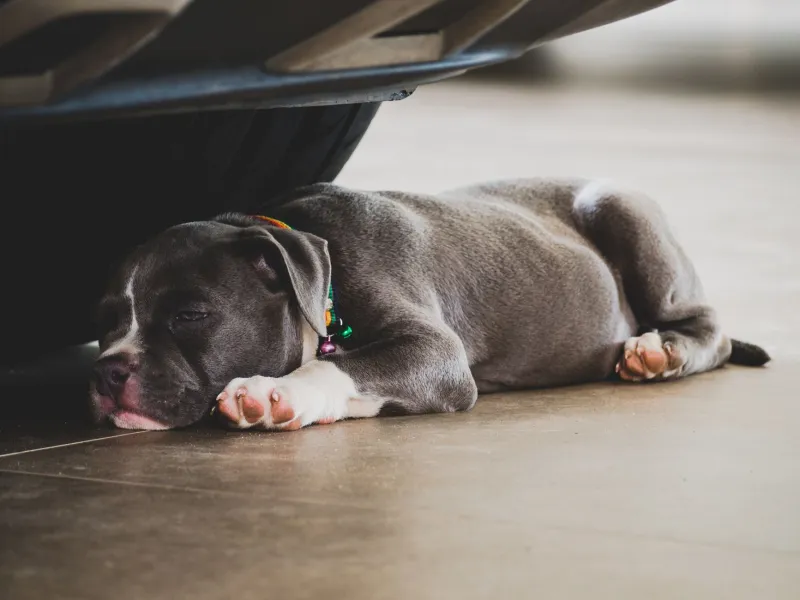
There is a particular kind of pleasure in walking into a village pub with a dog at your side and nobody making a fuss. Not because the dog is ignored, but because it is expected. The Griffin sits in the heart of Danbury, and like any proper local, it works best when everyone knows how to share the room. Dogs included.
That said, a pub is not a dog park with a beer engine attached. The difference between a dog-tolerant pub and a genuinely dog-friendly one is rarely about signage. It is about small, practical habits: a bowl that gets refreshed, a corner that works for a nervous spaniel, an owner who reads the room before letting a lead run loose. This guide is for Danbury dog owners and visitors who want the pint, the chat and the muddy walk home without turning the afternoon into a committee meeting.
The test is in the small things
A truly welcoming pub does not need a chalkboard listing every dog in the village. It needs staff who are comfortable with dogs, a sensible place to settle, and an understanding that not every customer wants a wet nose near their Sunday lunch. The Griffin feels that way when dog owners do their bit. Bring a dog that can cope with a busy room, keep it close, and the whole experience settles into something easy.
If your dog is new to pubs, start small. A quiet midweek pint is a better first outing than a packed Friday night. Sit near the edge of the room rather than in the middle of the main route between the bar and the tables. Let the dog settle before you order. A few minutes of boredom at the start is worth more than an hour of overexcitement later.
Where to sit, and where not to
In any village pub, the best dog-friendly table is the one that keeps everyone out of each other’s way. Aim for a corner or a quieter stretch away from the busiest walkway. You want space beside your chair for the dog to lie down, not a spot where every passing tray becomes an invitation to stand up and investigate.
Avoid the narrow pinch points: the direct path from the bar to the kitchen, the gap between two busy tables, the bit where someone is always carrying three plates and a jug of gravy. It is not about being hidden away. It is about giving your dog a clear, calm patch of floor and giving other customers a clear route to their own pint.
If the pub is busy, ask before you assume. A quick word at the bar about where to settle is never wasted. Staff usually know which tables work best for dogs and which ones turn into a thoroughfare after six o’clock.
Water, treats and the bar-side routine
The basics are simple. Ask for a water bowl if one is not already out, and keep it where it will not be kicked over. Do not let your dog drink from a glass on the table, however charming you find the attempt. And resist the urge to feed from your plate, even if the roast is excellent and the dog has been unusually persuasive.
Treats are part of the welcome at many dog-friendly pubs, but they should be a small punctuation mark, not a running buffet. If the bar has dog treats, use them to reward calm behaviour. A dog that learns the pub means lying quietly and getting the occasional biscuit is a dog that will be welcome back. A dog that learns the pub means shouting at the door every time it opens is a different story.
Bring your own lead, obviously, and keep it short enough to stay out of the aisle. A retractable lead in a busy pub is less a walking aid and more a tripwire with ambitions.
Wet weather and muddy paws
Essex weather does not require an invitation. If you have walked over Danbury Common or along a muddy footpath before arriving, bring a towel. Wipe paws at the door, not halfway across the floor. If your dog is soaked through, a quick word with staff is sensible; nobody minds a damp dog, but a wet shake in the middle of the room is a different matter.
A towel by the door is a small kindness, but it is not a substitute for your own preparation. The same goes for blankets. If your dog likes to settle on something familiar, bring a thin mat or blanket that can be folded away. It helps the dog relax and it keeps the pub’s furniture from becoming a drying rack.
Reading the room
This is the part that cannot be printed on a bowl. Watch the room. If another customer is clearly uncomfortable, give them space. If another dog is reactive, do not let yours march over for a hello. If children are running about, keep your dog close and calm. A village pub is a shared room, and sharing means noticing other people before they have to ask.
Dogs do not need to meet every other dog in Danbury. A quick glance and a lead kept loose is often enough. The best pub dogs are not the ones that make friends with everyone; they are the ones that lie under the table and make the whole visit feel easier.
The walk home
When you leave, take the water bowl back to the bar if that is the done thing, or at least leave your table tidy. Check you have the lead, the poo bags and the dog’s favourite toy, if it came along. Then step out into the Essex air and take the long way home. The Griffin is a local pub, and a local pub is made by the people who use it properly. Dogs are part of that bargain. Four legs, one local, and a pint that tastes better because nobody had to apologise for the company.