From Cellar to Glass: The Quiet Craft Behind a Griffin Pint
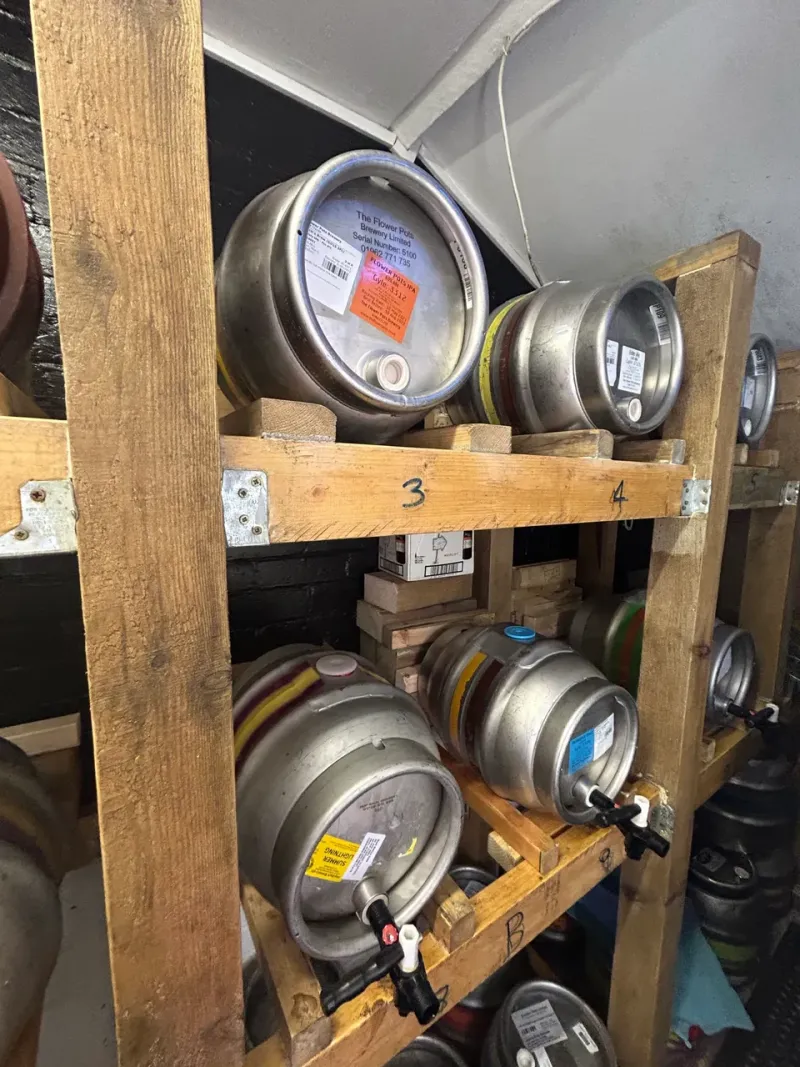
Photo: 55belgianbeerfan, CC0, via Wikimedia Commons
A good pint of cask ale begins in a room most customers never see. At The Griffin, that room is cool, slightly dim and full of quiet machinery: casks on stillage, lines running overhead, a temperature gauge doing its unglamorous work. It is not a romantic space. It is a workshop.
'People think the hard bit is pulling the pint,' says Mick, who looks after the cellar at The Griffin. 'The hard bit is everything before that. By the time it reaches the glass, most of the decisions have already been made.'
That is not false modesty. Cask ale is a living product. It settles, vents, conditions and changes. It can be superb on Tuesday and tired by Thursday if it is not looked after. The difference between a pint that makes you order another and one that makes you check your watch is usually invisible to the drinker, but it is not accidental.
The cellar is a workshop, not a storeroom
The first thing Mick talks about is temperature. Cask ale wants to be cool, not freezing. Too warm and it turns soft and vague; too cold and the flavour disappears behind the chill. The cellar at The Griffin is kept in that steady middle ground, the sort of temperature that lets malt and hops speak without shouting.
Then there is settling time. A cask needs to rest after delivery, often for a day or two, before it is tapped and vented. Rushing that stage is like opening a bottle of wine and immediately pouring it into a jug. You might get away with it, but you are not giving the beer its best chance.
'We do not put a cask on because the board looks empty,' Mick says. 'We put it on because it is ready. If that means a gap on the handpulls, so be it. A gap is better than a pint that is not right.'
Line cleaning is the other invisible job. It happens on a schedule, not when someone remembers. Between the cask and the glass there is a length of tubing that needs to be clean, rinsed and ready. A well-kept line does not announce itself. A badly kept one does, usually in the first sip.
Choosing a guest ale
The Griffin runs a changing guest ale alongside its regular beers, and the selection is not a random act. Mick looks for balance across the bar: something golden and easy, something with a bit more malt, something that will suit a plate of food without overwhelming it. Local Essex breweries get a fair hearing, but the deciding factor is condition, not postcode.
'You can have a lovely beer that is simply not drinking well,' he says. 'And you can have a beer nobody has heard of that is absolutely spot on. My job is to know the difference before it goes on sale.'
That means tasting. Not a heroic sampling session, but a small, regular check. Is it clear? Is the condition right? Is there any off-note that will get worse rather than better? If a cask is not right, it does not go on the bar in the hope that customers will be too polite to mention it.
What a well-kept pint looks like
You do not need a beer qualification to spot a good pint. Start with the look. A well-kept cask ale should be clear in the glass, unless it is meant to be hazy, and it should have a head that sits rather than collapses instantly. The head is not just decoration; it is part of the aroma and the mouthfeel.
Then smell it. A fresh pint has a clean, inviting nose. It might be bready, citrusy, grassy or gently fruity, depending on the beer. What it should not smell of is cardboard, vinegar or the inside of a cupboard that has not been opened since the last decade.
Taste is the final test. Cask ale should feel alive but not fizzy. It should be cool and refreshing, not ice-cold and numb. If the first mouthful makes you think of a warm flat beer that has been left on a radiator, send it back. Politely, but send it back. A good pub would rather change a pint than have you nurse a bad one.
At the bar
One of the simplest ways to drink better is to ask. Bar staff know which casks have just come on and which are near the end. They know whether the guest ale is a hop-forward thing or a malty one. They will usually let you try a small taste if you are unsure, especially if you are deciding between two.
At The Griffin, that conversation is part of the service rather than a fuss. Mick would rather answer a question than watch someone order blind and spend the next twenty minutes wishing they had chosen differently.
'You do not need to know the lingo,' he says. 'Just say what you normally like. If you like a clean, dry pint, we can point you that way. If you like something with a bit more body, we can do that too. The beer is supposed to be enjoyed, not studied.'
The last drop
The pint in front of you is the end of a chain that starts with a delivery, a temperature check, a settling period, a clean line and a careful decision about when to put a cask on. None of that is glamorous. Most of it happens before the pub has even filled up.
But it is the reason a Tuesday pint at The Griffin can taste as good as a Saturday one. The cellar does not care what day it is. It just asks for patience, a steady hand and someone who knows when to leave a cask alone.
Next time you order a cask ale, take a second before the first sip. Look at it, smell it, and notice whether it tastes fresh and alive. If it does, somebody in a cool room out the back has done their job properly. That is worth raising a glass to.